
What to Look for in a Wedding Videography Contract
by Kenzerama Productions
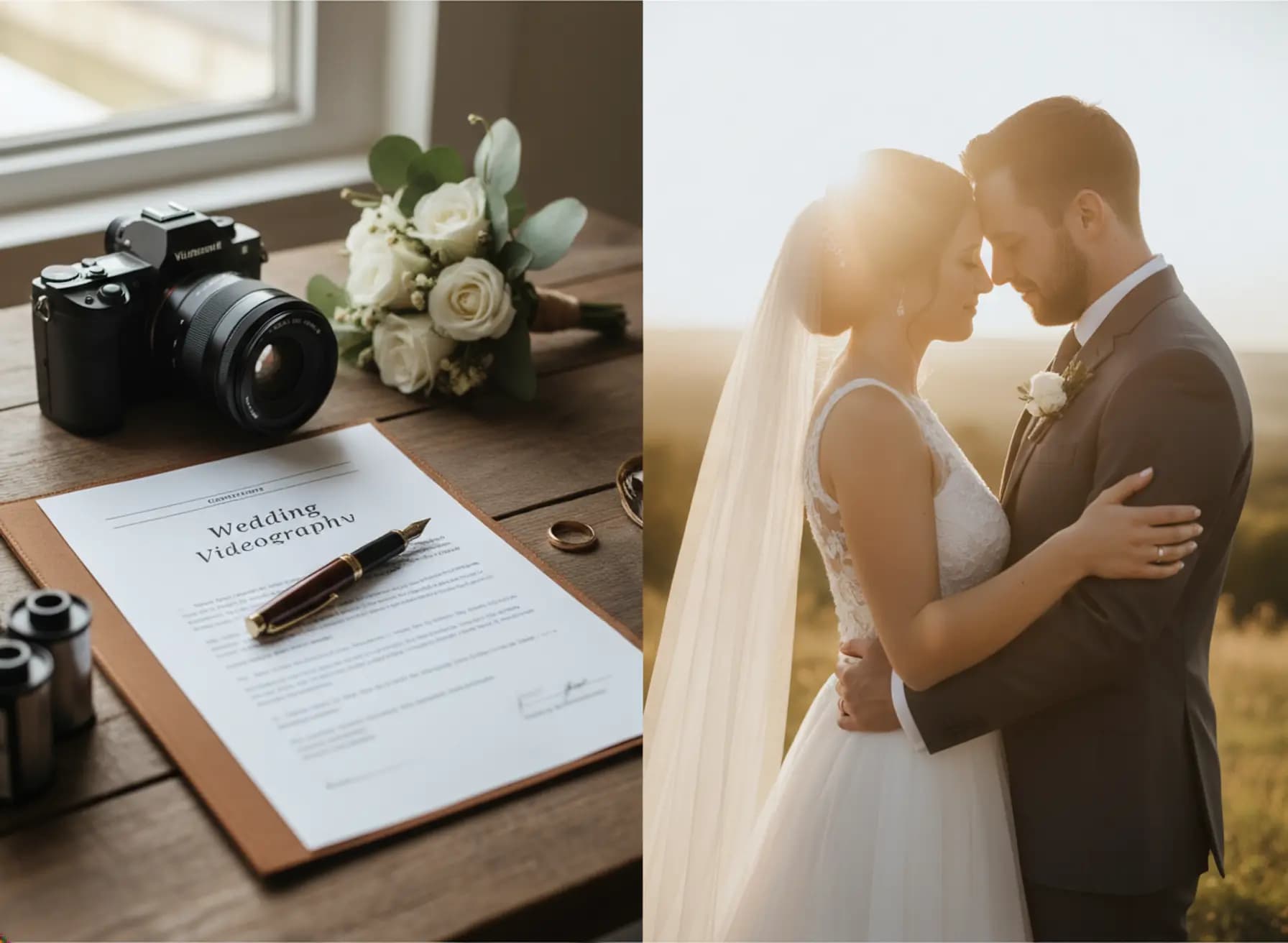
Hiring a wedding videographer is a big investment — and your contract is what protects both you and the vendor. A clear, well-written wedding videography contract ensures expectations are aligned, deliverables are defined, and responsibilities are outlined before the big day.
From a videographer’s perspective, here’s everything couples should know before signing on the dotted line.
Why a Strong Wedding Videography Contract Matters
Your wedding day is a once-in-a-lifetime event. There are no reshoots, and there’s no room for uncertainty. A professional videographer uses a contract to:
- Define what you’re paying for
- Set clear timelines
- Outline deliverables
- Protect your footage
- Clarify cancellation and rescheduling policies
- Ensure a smooth experience for everyone
If a videographer doesn’t use a contract, consider it a major red flag. Professionalism starts with paperwork.
1. Clear Package Details + Deliverables
Your contract should clearly list everything included in your package, such as:
- Hours of coverage
- Number of videographers
- Drone footage (yes/no)
- Types of edits included
- Length of each film
- Delivery format (online gallery, download link, USB, etc.)
This section prevents misunderstandings later — and ensures you receive exactly what you purchased.
2. Timeline: Delivery Dates + Editing Workflow
Editing is where the magic happens, so the contract should outline:
- Estimated delivery timeline
- Editing style (cinematic, documentary, hybrid)
- Whether speeches, vows, or letters will be included
- Revision policy (if any)
- Music licensing policies
A responsible videographer never rushes the creative process, but they also give you a realistic timeframe so you know what to expect.
3. Audio + Lighting Considerations
Because audio and lighting conditions vary by venue, contracts often include clauses about:
- Ceremony mic setup
- Backup audio sources
- Venue restrictions
- Low-light environments (churches, barns, candlelit spaces)
This protects the videographer from technical limitations and sets fair expectations for couples.
4. Creative Rights + Editing Style
Every videographer has a consistent editing style — and your contract should clarify that.
Typical language includes:
- The videographer maintains creative control
- Raw footage is not included (unless specifically purchased)
- Final edits reflect the videographer’s artistic judgment
This ensures the final film stays true to the brand’s aesthetic, not dictated by someone else’s editing notes.
5. Raw Footage Policy
Many couples wonder whether raw footage is included in wedding videography packages. Usually, it’s not — and if it is, it comes as an add-on.
Your contract should specify:
- Whether raw footage is available
- How much it costs
- How it’s delivered
- Storage/archival policies
This prevents confusion about what is and isn’t included.
6. Cancellation + Rescheduling Policy
Life happens — pandemics, storms, family emergencies — so a strong contract always covers:
- Deposit/retainer terms
- Whether retainers are refundable
- Rescheduling fees
- What happens if the videographer is unavailable for the new date
- Policies for cancellation by either party
This protects your investment and gives clarity in case plans change unexpectedly.
7. Liability + Insurance
Professional videographers carry liability insurance, and the contract should say so. It may also include:
- Restrictions required by certain venues
- Coverage for damage or injury
- Equipment protection
If your venue requires vendor insurance (many do), this section becomes extra important.
8. Meal Breaks + Basic Working Conditions
Wedding days are long. Contracts often include policies around:
- Vendor meals
- Break duration
- Reasonable working conditions
- Whether the videographer requires a table or workspace
These details help the crew perform at their best throughout your event.
9. Backup Plans + Equipment Failure
Reputable videographers have backups for everything — cameras, lenses, audio, and memory cards.
Contracts sometimes note:
- Multiple-camera setups
- File redundancy systems
- Backup shooters if someone is ill
This provides peace of mind that nothing will be missed.
10. Usage Rights + Social Media
This section explains how your wedding film can be used, including:
- Videographer’s right to share your film in their portfolio
- Social media usage permissions
- Whether you can post the film online
- Music licensing limitations
Clear communication here avoids issues later — especially with copyrighted music.
Final Thoughts
A strong wedding videography contract isn’t just legal protection — it’s a roadmap for creating a smooth, successful, stress-free wedding experience.
It makes your expectations clear.
It makes the videographer’s responsibilities clear.
And it ensures both parties feel confident and supported every step of the way.
If you’re currently comparing wedding videographers and want clarity around packages, contracts, and creative process, we’d love to talk and see if we’re the right fit for your day.


